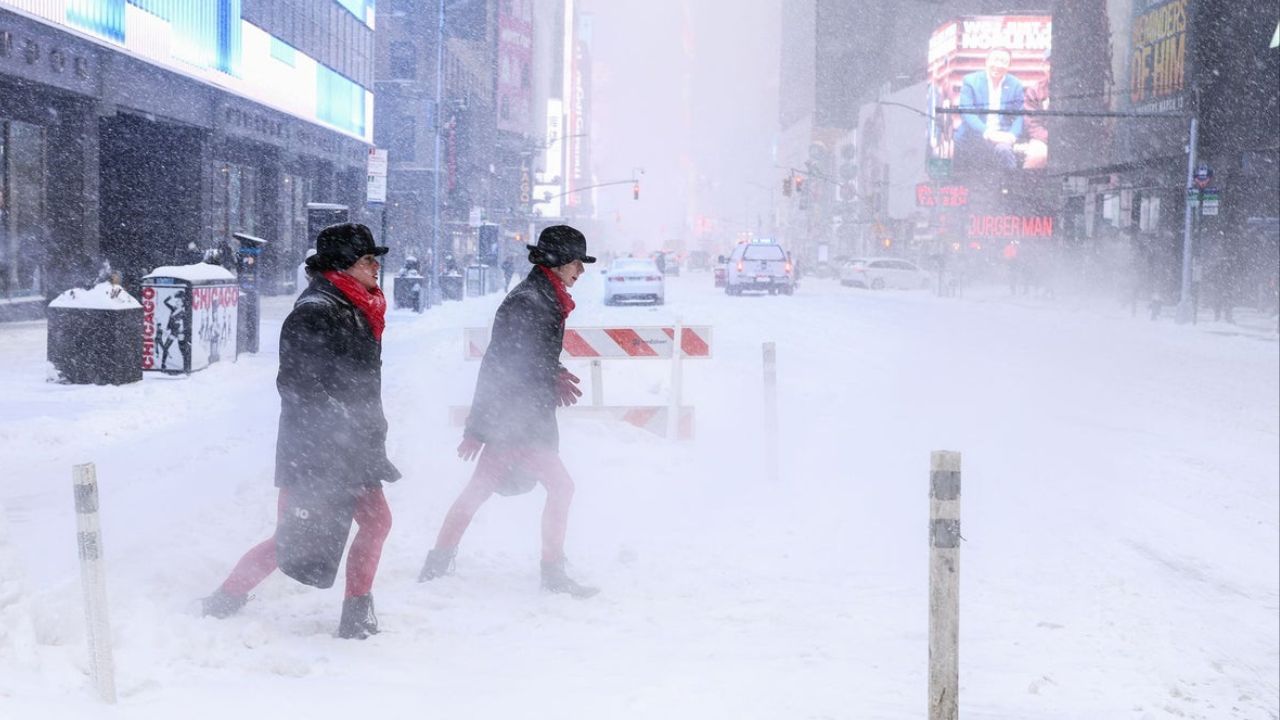
United States — Spring 2026 is shaping up to be a split season, with some parts of the country transitioning quickly into warmer, springlike weather while others continue to battle lingering winter conditions well past the official start of the season. Spring arrives at 10:46 a.m. EDT on Friday, March 20, but for millions of Americans, winter will be slow to let go.
Forecasters say the months ahead will feature late-season snow risks, expanding drought concerns, and an active severe weather season, depending on location.
Where winter weather may linger into spring
The Northeast, Midwest, Great Lakes, and northern Plains are expected to see a slow and uneven transition into spring, especially during March and early April. Cold air intrusions are forecast to return repeatedly, interrupting brief warmups.
“A slower transition to persistent spring warmth is likely from the northern Rockies to the Northeast,” forecasters said, noting that warm spells may be short-lived.
Because of this pattern, spring snow remains possible, particularly in higher elevations and northern cities. The continued chill will also keep the risk of late-season frosts elevated, posing challenges for farmers and home gardeners.
In many of these regions, consistent warm weather may not arrive until May, delaying planting schedules and outdoor activities.
Early warmth expected across the southern U.S.
In contrast, the southern half of the country is expected to warm up more quickly once winter loosens its grip. After a brief transition period, cool spells will become less frequent, allowing spring heat to build earlier than normal.
Forecasters pointed out that last year ranked as the second-warmest spring on record, and similar warmth could return to many southern states again in 2026.
However, this early warmth comes with downsides.
Drought concerns grow as rain stays limited
The forecast calls for below-average spring rainfall across parts of the Southwest, where drought conditions are expected to worsen. Meteorologists warn that spotty large wildfires could develop as vegetation dries out under warmer temperatures.
The Florida Peninsula may also struggle with limited rainfall through much of spring, increasing the risk of brush fires until wetter conditions arrive later in the season.
In the Pacific Northwest, winter may linger longer, but as temperatures rise in April, rapid snowmelt could lead to isolated flooding along rivers and streams.
Severe weather season to ramp up again
Spring 2026 will once again mark the return of severe weather season, even if tornado numbers do not reach the extreme levels seen in 2025.
Last year recorded 1,559 tornadoes, exceeding the 15-year average of 1,392. While forecasters do not expect a repeat of those extremes, severe storms remain a major concern, particularly across the Mississippi Valley and Gulf states.
Read Also: Florida Braces for Rare Deep Freeze as Arctic Air Pushes Temperatures Toward Miami
During March and April, storms in these areas are most likely to produce:
- Damaging straight-line winds
- Heavy rainfall
- Flooding
- Tornadoes, especially during stronger systems
Farther north, cooler and more stable air may suppress severe weather early in the season, but the risk is expected to increase later in April and into May.
Flood risk increases as spring progresses
As warmer air becomes more established, slow-moving storm systems are expected to develop, raising the threat of flooding in several regions.
“Slow-moving storms could produce heavy rain along the Gulf Coast, particularly from Alabama to northern Florida,” forecasters said.
Parts of the lower Ohio Valley, Missouri, and Kentucky may also face flash flooding and river flooding, especially if repeated storms move over the same areas.
Additionally, melting snowpacks could contribute to flooding concerns in New England, the Pacific Northwest, and portions of the Rocky Mountains, depending on how quickly temperatures rise.
What this means heading into spring
Overall, Spring 2026 is expected to bring sharp contrasts across the country:
- Extended winter conditions in the northern U.S.
- Early warmth and drought risks in the South and Southwest
- An active severe weather season
- Localized flooding threats tied to snowmelt and heavy rain
Forecasters urge residents to stay weather-aware, especially as conditions can change quickly during the seasonal transition.
Do you expect spring to arrive early where you live, or are you preparing for more winter weather? Share your thoughts in the comments below.