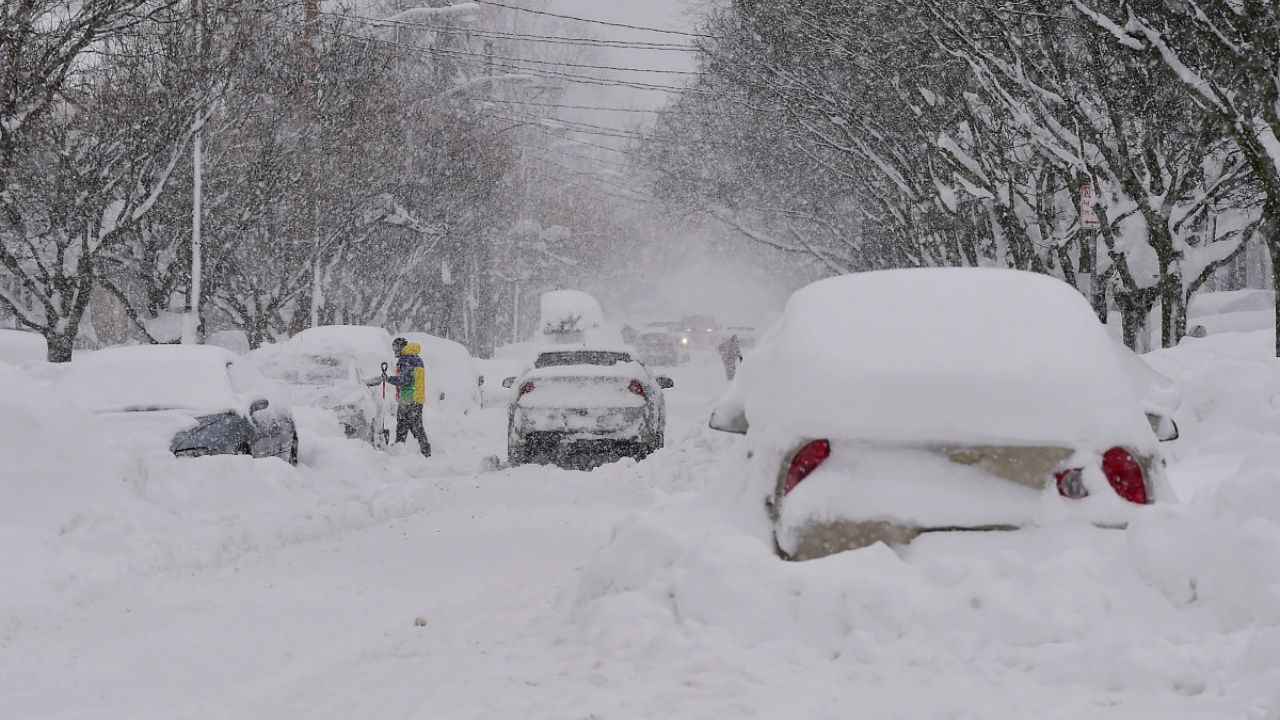
Chicago — A powerful winter system is unleashing a triple threat of dangerous weather across large parts of the Midwest, Great Lakes, and Appalachians, combining intense lake-effect snow, sudden flash freezes, and fast-moving snow squalls that are disrupting travel and creating hazardous conditions.
Forecasters warn that this is not a typical winter setup, as multiple hazards are unfolding at once — often with little warning — making travel especially dangerous through Thursday and beyond.
Snow Squalls Trigger Whiteouts and Travel Disruptions
Snow Squall Warnings were issued across portions of Illinois late Wednesday morning as intense bursts of snow swept through parts of Chicago and central Illinois.
These squalls sharply reduced visibility, creating near-whiteout conditions in a matter of minutes.
“Snow squalls can cause a sudden and extreme drop in visibility, making roads treacherous almost instantly,” forecasters warned.
At O’Hare International Airport and Midway International Airport, visibility dropped to a quarter mile, with wind gusts between 43 and 47 mph, triggering ground stops and flight delays. Similar conditions were reported in Milwaukee, where gusts reached 36 mph alongside accumulating snow.
Flash Freeze Threat Expands Across Ohio Valley
Farther east, rain falling across the Ohio Valley is expected to rapidly transition to snow, followed by a flash freeze as temperatures plunge by as much as 10 degrees in a short period.
This setup raises serious concerns for the evening commute in major metro areas including:
- Cleveland
- Columbus
- Pittsburgh
- Buffalo
Wet roadways may freeze quickly, creating black ice and sudden loss of traction, even in areas that see little snowfall.
Lake-Effect Snow Machine Kicks Into High Gear
The most extreme snowfall is expected downwind of the Great Lakes, where perfectly aligned winds are tapping into moisture from the relatively warm waters of Lake Michigan and Lake Superior.
Winter Storm Warnings are in effect for northwest Indiana and southwest Michigan, where prolonged lake-effect bands are expected to stall.
Cities in the projected bull’s-eye include:
- South Bend
- Michigan City
- Benton Harbor
Snowfall rates may reach 1 to 2 inches per hour, particularly from late Wednesday afternoon through mid-morning Thursday.
Read Also: Colder Days Ahead for St. Louis as Arctic Air Replaces Unseasonable Warmth
The National Weather Service warned of whiteout and potentially life-threatening driving conditions, especially on east–west roads where blowing snow will be most severe.
If lake-effect bands remain stationary longer than expected, snow totals could exceed two feet by Friday morning in some locations south of Lake Michigan.
Michigan Faces Brutal Winter Conditions
Across Michigan, strong winds and blowing snow are creating extremely hazardous travel conditions.
Forecasters describe the experience as deceptively intense.
“It feels like a tropical storm — until you factor in freezing temperatures and heavy snow, which makes conditions even more dangerous.”
Blizzard-like conditions may develop at times, with drifting snow, poor visibility, and rapidly deteriorating roads.
Snow Intensifies in the Appalachians
Meanwhile, winter weather is also slamming the higher terrain of the Appalachians.
Snow is expected to intensify Wednesday night across:
- West Virginia’s Allegheny Mountains
- The Blue Ridge Mountains of eastern Tennessee
- Western North Carolina
Snow is forecast at elevations above 2,000 feet, with up to a foot of accumulation possible above 4,000 feet before the system tapers off Thursday afternoon.
Winter Storm Alerts remain in effect for these mountainous areas due to steep terrain, gusty winds, and rapidly accumulating snow.
Lake-Effect Threat Shifts East Thursday
As winds shift Thursday, the lake-effect focus will move eastward toward Ohio and western New York, targeting areas downwind of Lake Erie and Lake Ontario.
Communities that escape the heaviest snow today may see renewed impacts as the lake-effect machine resets.
What Makes This Storm Especially Dangerous
Key hazards unfolding simultaneously include:
- Snow squalls causing sudden whiteouts
- Flash freezes after rainfall
- Prolonged lake-effect snow with extreme totals
- Strong winds producing blowing and drifting snow
Because these elements can overlap, conditions may deteriorate with little to no warning.
Officials urge travelers to delay unnecessary trips, monitor alerts closely, and be prepared for rapidly changing road conditions.
Looking Ahead
Winter weather impacts are expected to continue into Thursday, with lingering lake-effect snow and bitter cold across the Great Lakes region. Additional advisories and warnings are likely as bands shift and intensify.
For now, forecasters stress that this is a high-impact winter event, particularly for those traveling across the Midwest, Great Lakes, and Appalachians.
Are you seeing snow squalls, lake-effect bands, or icy roads where you live? Share your local conditions and updates in the comments.