A powerful surge of Arctic air is set to spill south from Canada, bringing the coldest conditions of the winter so far to a vast stretch of the Eastern United States. Meteorologists warn that this blast is not a brief cold snap, but the opening act of a prolonged period of dangerous cold, with extreme wind chills threatening nearly 100 million Americans.
Forecasters say temperatures already feeling harsh this week will pale in comparison to what’s coming next.
Arctic Air Reinforces the Freeze This Weekend
According to the National Weather Service, a reinforcing shot of bitter Arctic air will plunge into the central U.S. on Saturday, tightening winter’s grip across the Midwest and Great Lakes before spreading east.
High temperatures across the Dakotas, Iowa, and Minnesota may struggle to reach 10 degrees, even during the warmest part of the day. By Sunday morning, sub-zero wind chills are expected to span roughly a dozen states, from the eastern Dakotas through parts of the Ohio Valley and into western Pennsylvania.
By Sunday afternoon, freezing temperatures may extend as far south as Tennessee, while cities farther north remain locked in deep cold.
Major Cities Brace for the Coldest Mornings Yet
As the Arctic air pushes east, some of the coldest readings of the season are expected in major population centers.
Cities including Chicago, Detroit, Minneapolis, Indianapolis, and Des Moines are forecast to start the workweek with actual air temperatures in the single digits. Combined with gusty winds, those readings will translate into dangerous wind chills.
In the Twin Cities, wind chills could dip below -20 degrees by Monday morning.
Farther east, New York City, Washington, D.C., and Pittsburgh are expected to experience their coldest mornings of the winter on Monday and Tuesday.
Wind Chill Becomes the Biggest Threat
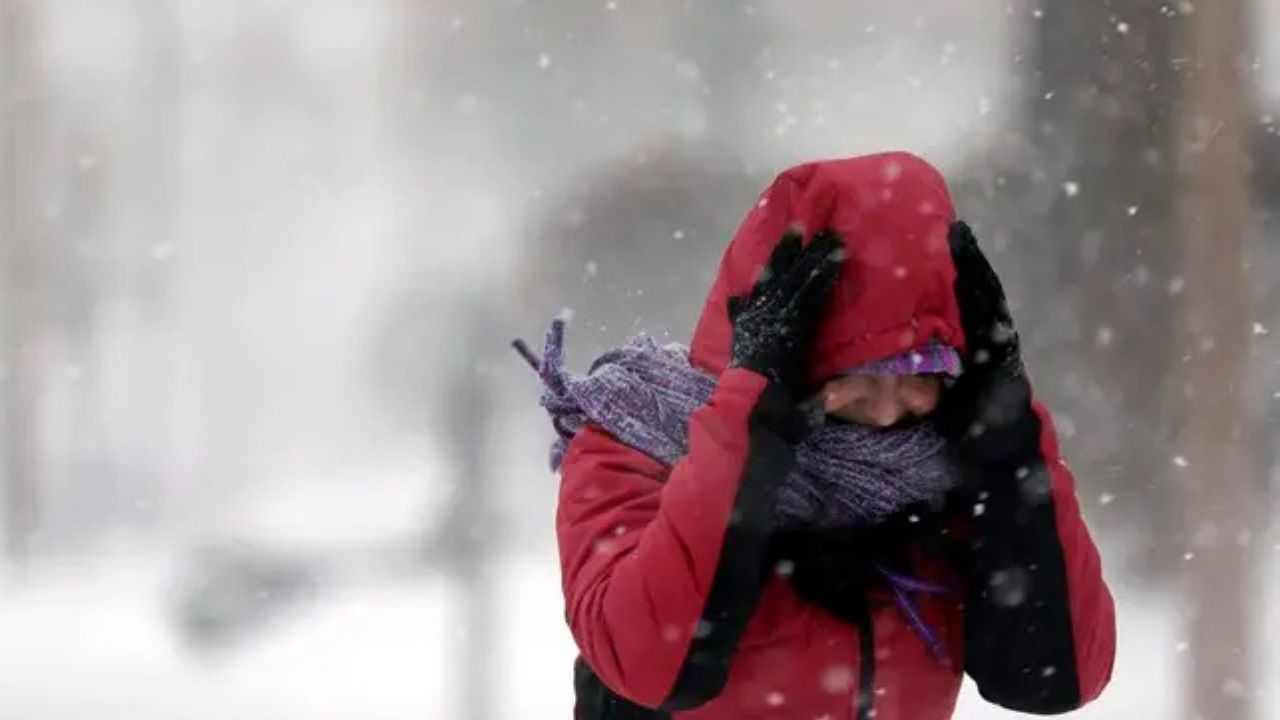
While cold temperatures alone are hazardous, wind will dramatically increase the danger.
Across northern Minnesota and Wisconsin, wind chill values could plunge to -40 degrees, conditions that can cause frostbite on exposed skin in minutes.
Even well south of the Upper Midwest, the cold will be severe:
- St. Louis, Detroit, Louisville, Pittsburgh, and Burlington, Vermont are expected to see sub-zero wind chills
- Nearly 100 million Americans could face wind chills below zero by Tuesday
Meteorologists emphasize that wind chill reflects how cold it feels to exposed skin due to wind removing heat from the body faster than calm air.
Cold Reaches Deep Into the South
After sub-freezing temperatures brushed the Gulf Coast earlier this week, the South is not in the clear.
While Atlanta may hover in the 40s and North Florida in the 50s during the daytime, nighttime lows will trend colder again. The renewed chill is especially unwelcome news for wildlife — including iguanas in Florida still recovering from earlier freezes.
Read Also: Arctic Blast Brings Snow Chances to Tri-State This Weekend, Deeper Cold Follows Next Week
Polar Vortex Pattern Locks in the Chill
Meteorologists say the larger pattern driving this outbreak is tied to a deep dip in the jet stream, influenced by a disrupted polar vortex, allowing Arctic air to spill south and linger.
Long-range guidance suggests this cold pattern may persist through the end of January and into February, keeping temperatures below average across much of the eastern half of the country.
Sports and Travel Impacts Likely
The extreme cold may also impact major events. Sunday evening’s NFL Divisional Playoff game between the Los Angeles Rams and Chicago Bears carries a high risk of weather impact, with game-time temperatures expected in the teens and wind chills near zero.
Travelers and outdoor workers are urged to plan accordingly, as prolonged exposure could be dangerous.
How to Prepare for the Extreme Cold
Officials recommend:
- Limiting time outdoors, especially during early morning hours
- Dressing in layers, covering exposed skin
- Checking on vulnerable individuals, including older adults and those without reliable heat
- Preparing homes and vehicles for extended cold
This Arctic outbreak may not bring heavy snow everywhere, but the cold itself poses a serious threat.
As the Eastern U.S. braces for its harshest winter weather yet, residents are encouraged to stay informed and take precautions. Do you think this will be the coldest stretch of the winter, or is February likely to bring even more extremes? Share your thoughts in the comments.