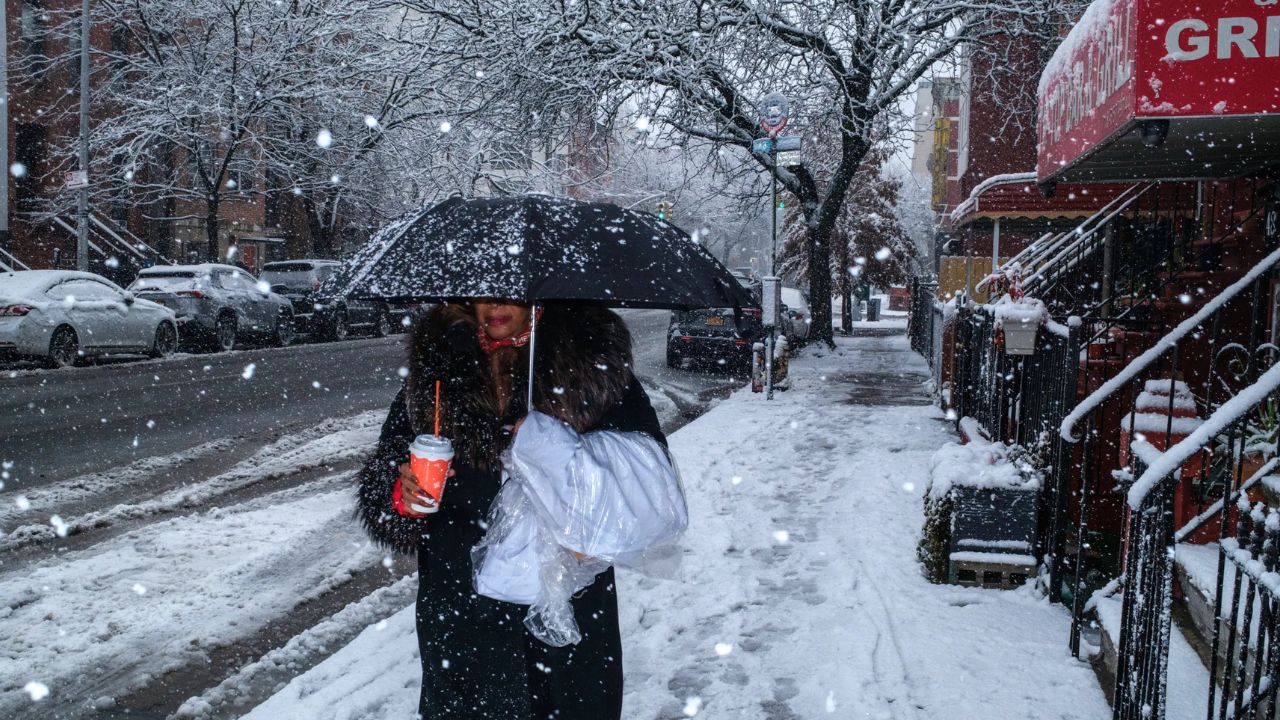
New York City — Millions of Americans are hunkering down as Winter Storm Fern, a sprawling and potentially historic system, unleashes heavy snow, crippling ice, and dangerous cold across much of the country. The storm has already triggered nearly 230,000 power outages, canceled thousands of flights, and prompted emergency declarations in more than 20 states as conditions worsen from the Southwest to New England.
Forecasters say the massive storm stretches across a 2,300-mile swath impacting more than 40 states, with over 245 million people expected to feel its effects through the weekend. More than 190 million Americans are currently under Winter Weather Alerts, underscoring the storm’s enormous reach.
Power Outages and Travel Disruptions Mount
As of early Sunday, more than 346,000 customers were without power, largely across the South, as ice and snow battered infrastructure while the storm pushed eastward.
The hardest-hit states included:
- Texas, with more than 98,000 outages
- Mississippi, with over 88,000 outages
- Louisiana, reporting around 76,000 outages
Air travel has been heavily disrupted, with nearly 10,000 flights canceled nationwide through Monday, leaving travelers stranded and airports overwhelmed as airlines attempt to rebook passengers.
States of Emergency Spread Nationwide
Officials have declared states of emergency in at least 21 states, reflecting the severity and scale of the storm. Those states include Arkansas, Louisiana, Mississippi, Alabama, Tennessee, Georgia, South Carolina, North Carolina, Missouri, Kansas, Kentucky, West Virginia, Ohio, Virginia, Maryland, Delaware, Pennsylvania, New York, New Jersey, Indiana, Connecticut, and Washington, D.C.
Even before the first snowflakes fell, Winter Storm Fern had already set a record.
The storm broke the record for the highest number of counties simultaneously under a Winter Storm Warning, officials confirmed.
How the Storm Took Shape
The system began developing in the Plains on Friday, arriving earlier than forecast models predicted. Snow, ice, and rain quickly followed as the storm intensified.
Parts of Kansas and Oklahoma saw early accumulations, with 6 inches of snow recorded in Hays, Kansas, and 3 inches in Norman, Oklahoma by early Saturday. Forecasters say the heaviest snow is expected between Interstates 70 and 40, with some areas of central Kansas and northern Oklahoma potentially seeing more than a foot of snow.
A broader zone from Amarillo north into Kansas City could receive 5 to 8 inches, while widespread icing from West Texas into Arkansas threatens to paralyze travel along major highways such as I-20 and I-35.
Crippling Ice Targets the Southeast
As the storm shifts into the Southeast, Ice Storm Warnings are raising alarms from Mississippi into the Carolinas.
Read Also: Southwest Missouri Faces Two-Round Winter Storm With Heavy Snow And Dangerous Cold
The most severe icing is expected across:
- Arkansas
- Northern Mississippi
- Western Tennessee
In some areas, up to three-quarters of an inch of ice is forecast, with isolated spots possibly exceeding an inch.
Widespread power outages are likely as the weight of the ice brings down trees and power lines, forecasters warned.
Kentucky is expected to see the highest snow totals in the Southeast, with 5 to 8 inches statewide and a potential foot of snow stretching across the state.
Major Snow Threat for the Northeast
The storm’s final act may be its most dramatic. Heavy snow is forecast to overspread the Mid-Atlantic and Northeast beginning Saturday night and intensifying Sunday.
Snowfall rates could reach 2 to 3 inches per hour, with the greatest accumulations expected north and west of Washington, D.C., extending through Pennsylvania and into the New York region.
Forecasts currently call for:
- 8 to 12 inches in New York City
- 12 to 18 inches across parts of Massachusetts
- Up to 24 inches in portions of New England, especially where coastal snow bands develop
Some cities have not seen snowfall of this magnitude in nearly a decade, raising concerns about transportation shutdowns and prolonged cleanup efforts.
Bitter Cold Will Linger After the Snow Ends
Even as snowfall tapers off early next week, dangerously cold air will remain locked in place. A powerful Arctic high-pressure system is driving frigid air deep into the Lower 48, keeping temperatures well below average.
More than 260 million Americans will experience below-normal temperatures, and over 50 million could see temperatures drop below zero, officials warned.
Extreme Cold Warnings and Advisories stretch from the Plains to the Northeast, compounding risks in areas already facing power outages.
Communities Brace for Prolonged Impacts
Across the country, residents have rushed grocery stores, leaving shelves bare as officials urge people to avoid unnecessary travel. Utility crews are mobilizing in anticipation of long restoration efforts, especially in ice-hit regions.
With snow, ice, power outages, and extreme cold converging, Winter Storm Fern stands out as a multi-threat system with nationwide consequences.
How is your area being affected by the storm? Share what you’re seeing and how you’re preparing in the comments below.