Kansas City, Missouri — Residents across parts of Missouri, Kansas, and Iowa were startled overnight by loud, sudden booming sounds that echoed through neighborhoods near the Interstate 70 corridor, coinciding with one of the coldest nights of the season. The unexpected rumbles sparked concern on social media, with some residents initially questioning whether the noises were tied to explosions or seismic activity.
Forecasters say the explanation is far less alarming — though still unusual.
What caused the loud booms across the Heartland
According to the National Weather Service, the overnight noises are consistent with cryoseisms, more commonly known as frost quakes.
These events occur when water-saturated ground freezes rapidly, causing underground expansion that cracks soil or rock. The sudden release of pressure can create a sharp, explosive sound that may shake homes or wake people from sleep, especially during quiet nighttime hours.
“Frost quakes can sound like a loud boom or bang and may be felt indoors, but they are not earthquakes and are not related to seismic activity,” meteorologists explained.
Why conditions were right near Missouri, Kansas, and Iowa
Meteorologists say the central Heartland experienced a perfect setup for frost quakes over the past two days.
Recent rain and mixed winter precipitation left the ground saturated. That moisture was followed by a rapid temperature plunge, with readings falling from above freezing to near or below zero within 36 to 48 hours. This sharp drop caused water in the soil to freeze and expand faster than the ground could adjust.
Key factors contributing to the event included:
- Wet ground from earlier precipitation
- Sudden Arctic air intrusion
- Calm nighttime conditions, allowing sounds to travel farther
The coldest temperatures were recorded near major travel routes, including Interstate 70, which runs east to west through the affected region.
Reports along the I-70 corridor
Residents from suburban neighborhoods to rural communities reported hearing booms late at night into the early morning hours, particularly near areas spanning:
- Central and western Missouri
- Eastern Kansas
- Southern Iowa
Despite the startling nature of the sounds, no structural damage, roadway damage, or utility disruptions linked to frost quakes have been reported.
Read Also: Ohio Valley Faces Prolonged Winter Threat as Arctic Cold Keeps Snow Risk Elevated Into Mid-February
Officials emphasized that Interstate 70 remains open, with no closures tied to the phenomenon.
“While the noises can be intense, frost quakes are typically brief and rarely cause damage,” forecasters noted.
Not an earthquake — and no seismic threat
The National Weather Service stressed that frost quakes do not indicate tectonic movement and should not be confused with earthquakes.
Unlike seismic events, frost quakes:
- Do not register on seismographs
- Occur near the surface, not deep underground
- Are driven entirely by temperature and moisture changes
Because they happen close to the surface, the sound can seem louder and more localized than an earthquake, even though the energy involved is much smaller.
What residents should expect next
Meteorologists say isolated frost quakes could continue as long as temperatures remain unstable and soils continue to freeze.
These events are most likely:
- Overnight or early morning
- During sudden cold snaps following wet weather
- Before the ground fully freezes solid
Once temperatures stabilize or soils completely freeze, the risk typically diminishes.
Winter travel concerns still remain
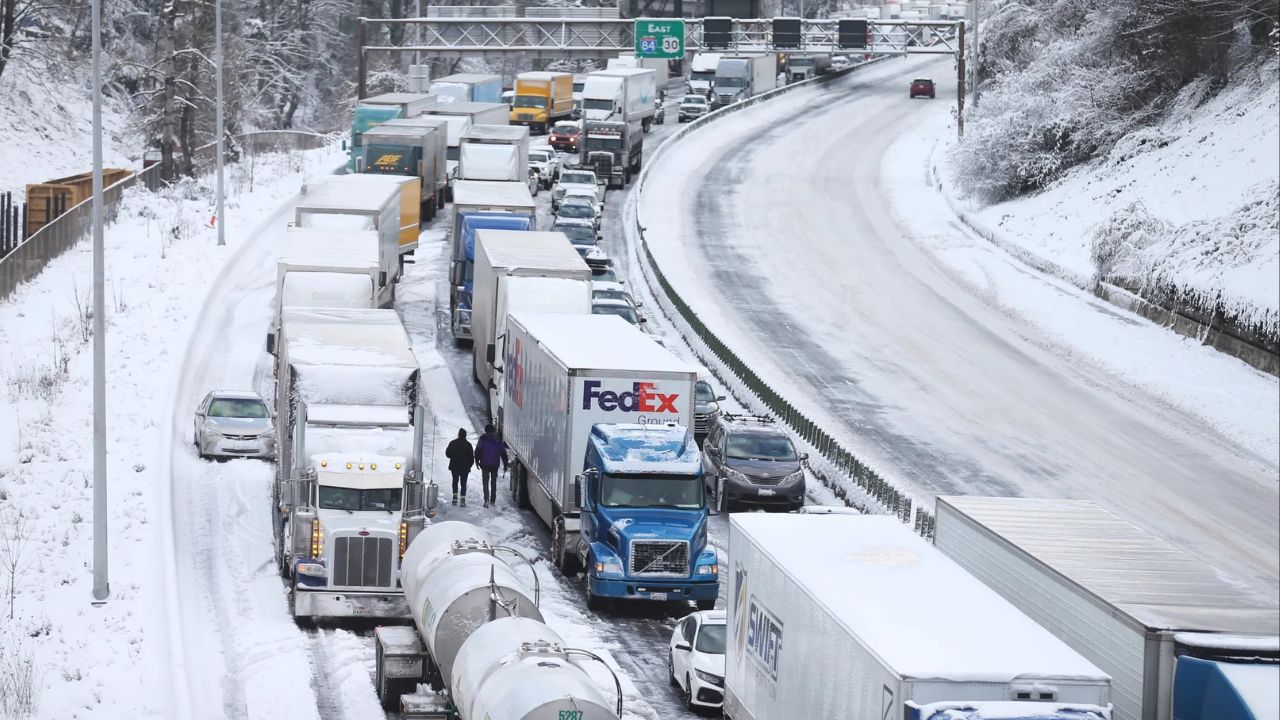
While frost quakes themselves pose little risk to drivers, officials caution that ongoing cold conditions can still create everyday winter hazards.
Drivers along Interstate 70 and nearby highways should remain alert for:
- Icy bridges and overpasses
- Refreezing after sunset
- Reduced traction during early morning hours
No frost-quake-related pavement damage has been identified, but standard winter precautions remain important.
A rare but natural cold-weather event
Though uncommon, frost quakes are a known cold-weather phenomenon, particularly during winters marked by sharp temperature swings. Meteorologists say they tend to draw attention precisely because of how sudden and loud they can be.
“They’re startling, but they’re also a sign of just how quickly the cold has taken hold across the region,” forecasters said.
Residents are encouraged to stay weather-aware but reassured that the booming noises heard overnight are natural, temporary, and not dangerous.
Did you hear the booms where you live along the I-70 corridor? Share what you experienced and when it happened in the comments.