Raleigh, NC — A rapidly strengthening storm along the U.S. East Coast is drawing intense attention from meteorologists this weekend, as forecasts suggest it could intensify into a bomb cyclone and bring some of the heaviest snowfall North Carolina has seen in decades, along with damaging winds, blizzard conditions, and coastal flooding from the Southeast to New England.
The powerful system is expected to evolve quickly as it tracks north along the Atlantic coastline, with impacts stretching from the Carolinas to the Northeast. Travel disruptions, airport delays, and dangerous conditions along major highways — including parts of Interstate 95 — are increasingly likely as the storm unfolds.
Storm begins organizing in the Southeast
The system is expected to take shape on Friday as low pressure develops across the southern United States. Early on, spotty rain is forecast along the Gulf Coast, the Florida Peninsula, and portions of the southern Atlantic coastline.
Farther inland, colder air will already be in place.
Across Mississippi, Alabama, Tennessee, Georgia, and the Carolinas, precipitation is expected to fall as a mix of rain and snow, gradually transitioning to snow as the storm strengthens.
“As the storm intensifies Friday night into Saturday, snowfall coverage and intensity will increase rapidly across the Southeast.”
North Carolina faces high-impact snow threat
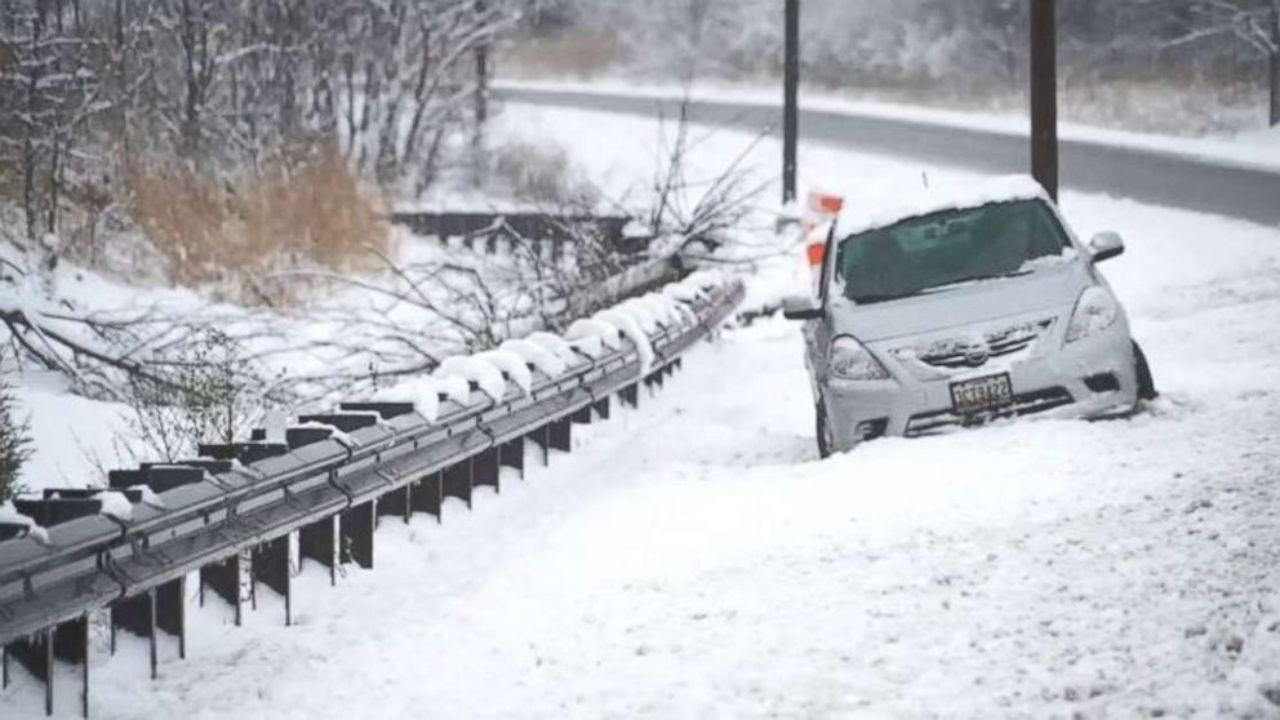
Confidence is growing that much of North Carolina will see accumulating snow, with a high probability of at least one inch falling across large portions of the state from late Friday through Saturday.
However, forecasters warn that this storm has the potential to far exceed that baseline.
Cities including Charlotte, Raleigh, and Greensboro could be staring at their most significant snowstorm in decades if current projections hold.
In Charlotte, snowfall benchmarks include:
- 3.5 inches on January 17, 2018
- 8.5 inches in January 2003
- 13.2 inches in February 2004
This weekend’s storm is well within range of meeting or exceeding those totals, depending on final storm track and intensity.
Raleigh has similar historical context:
- 7 inches in December 2018
- 10.8 inches in January 2002
- 20.3 inches in January 2000, the city’s largest snowstorm on record
Forecasters say Raleigh could easily surpass recent storms if snowfall bands persist over the area.
Heaviest Southeast snowfall zone taking shape
Several inches of snow are forecast across North Carolina and southern Virginia, with the highest risk for 6 inches or more extending from north-central North Carolina into southeastern Virginia and the southern Delmarva Peninsula.
Strong winds accompanying the snow could dramatically reduce visibility.
“Blizzard or near-blizzard conditions are likely in the hardest-hit areas as wind and snowfall combine.”
Storm expected to become a bomb cyclone
By Saturday, as the storm reaches the southern Atlantic coastline, meteorologists expect rapid intensification.
The system is likely to meet the definition of a bomb cyclone, meaning its central pressure drops at least 24 millibars within 24 hours — a sign of explosive strengthening.
Read Also: Black Ice and Freezing Fog Linger Across North Texas as Road Conditions Gradually Improve
This process is fueled by the clash between cold Arctic air over land and much warmer Atlantic waters, a classic setup for extreme East Coast storms.
Dangerous winds and coastal flooding likely
As the storm strengthens, strong onshore winds are expected to push ocean water toward the coast from North Carolina to New England, creating a serious coastal flooding threat.
The timing of the storm coincides with the full moon, which brings higher-than-normal astronomical tides.
“Water levels could rise 2 to 4 feet above normal levels in vulnerable coastal locations.”
Areas at highest risk include:
- Norfolk
- Outer Banks
- The Wildwoods
- Scituate
Beach erosion, flooded roadways, and damage near the shoreline are all possible around high tide this weekend.
Northeast snow totals hinge on fine details
As the storm spins offshore Saturday into Sunday, its distance from the coastline will determine how far inland heavy snow reaches across the Mid-Atlantic and New England.
Meteorologists currently believe the best chance for 6 to 12 inches of snow in the Northeast lies in southeastern Massachusetts, while 3 to 6 inches is more likely for:
- Southeastern New England
- Long Island, New York
- Coastal New Jersey and Delaware
Along the I-95 corridor from northern Virginia to New York City, snowfall outcomes remain highly uncertain.
“A shift of just a few miles could mean the difference between no accumulation and snow-covered roads.”
Boston and Providence currently have a much higher chance of seeing half a foot of snow than cities farther south like New York City or Philadelphia.
Arctic air returns behind the storm
Once the nor’easter departs, another surge of Arctic air is expected to sweep across the eastern half of the United States.
This will send freezing temperatures deep into Florida and return much of the East to a multi-day deep freeze, prolonging winter hazards well into next week.
High-impact weekend ahead
With heavy snow, blizzard conditions, damaging winds, coastal flooding, and widespread travel disruptions all possible, officials urge residents from the Carolinas to New England to prepare now.
Air travel delays are expected at major hubs from Charlotte to Boston, and road travel could become dangerous or impossible in some areas during peak storm conditions.
Do you live in a region that could see historic snowfall from this storm, or are you preparing for wind and coastal impacts instead?
Share what you’re expecting and how you’re getting ready in the comments below.