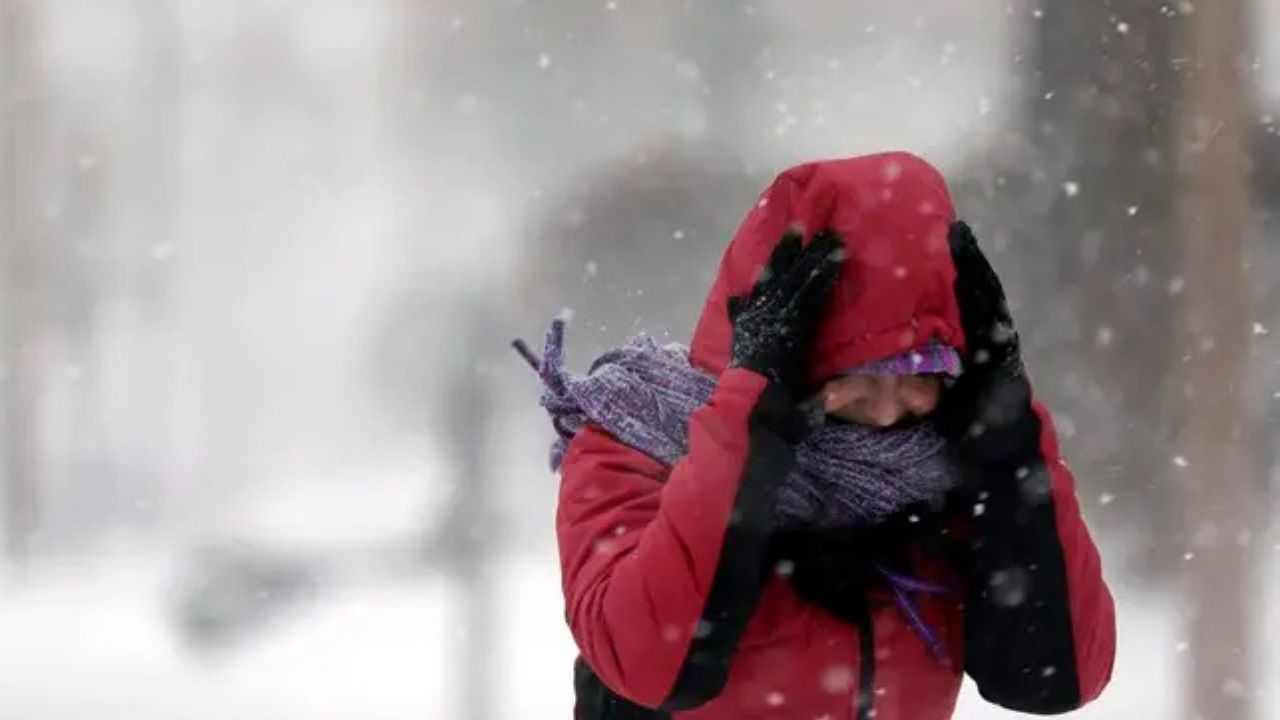
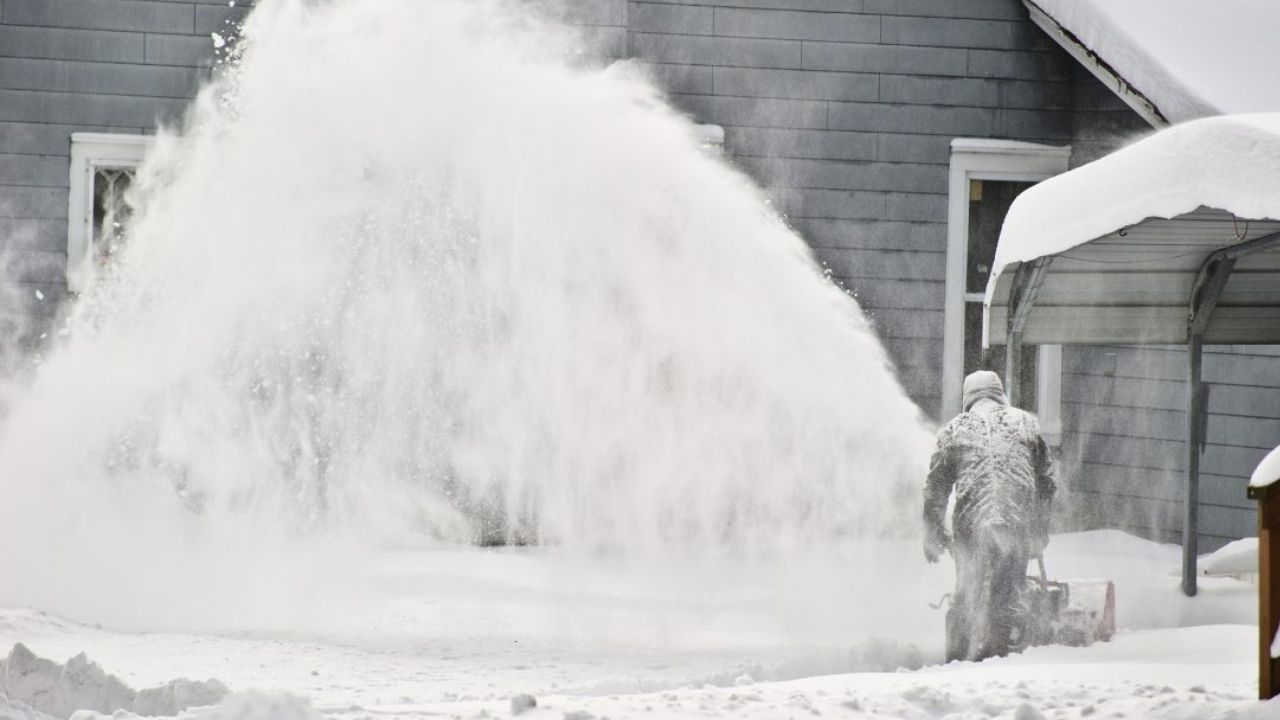
Washington, D.C. — A high-impact winter storm is set to move into the nation’s capital and surrounding communities this weekend, bringing heavy snow, ice accumulation, and dangerous cold that could disrupt travel, close schools, and trigger power outages across the region.
Forecasters warn that the storm will arrive after an Arctic blast settles in, creating ideal conditions for snow to accumulate quickly and ice to form, especially south and west of the city. A Winter Storm Warning is now in effect from 11 p.m. Saturday through 4 a.m. Monday, along with a Cold Weather Advisory.
Snow and ice expected to intensify Sunday
Snow is expected to begin late Saturday evening, with steady accumulation overnight and into Sunday. By Sunday morning, many areas around the Beltway could already see 3 to 6 inches of snow, with heavier snowfall continuing into early afternoon.
Forecast guidance suggests 6 to 10 inches of snow are likely across much of the D.C. metro area, with higher totals north and west of the city.
“This setup has the potential for widespread travel disruptions and prolonged impacts,” forecasters said, noting that snowfall rates could be heavy at times before precipitation transitions later in the day.
Heaviest totals north and west of D.C.
Snowfall amounts will vary significantly depending on location:
- D.C. metro and Beltway communities: Snow arrives around 10 p.m. Saturday, becoming steady overnight. Sleet may mix in by midday Sunday, slightly limiting totals, but dangerous road conditions are expected.
- Northern and western zones, including Frederick, Maryland, and Leesburg and Warrenton, Virginia, could see 10 to 14 inches of snow, making travel extremely difficult.
- Mountain areas such as Hagerstown, Winchester, and Luray are expected to see some of the highest totals, with heavy snow persisting into Sunday.
- Southern Maryland and parts of Northern Virginia face an increased risk of freezing rain, raising concerns for power outages.
Read Also: Southwest Missouri Faces Two-Round Winter Storm With Heavy Snow And Dangerous Cold
Ice and power outage concerns growing
While snow is the primary threat for much of the region, freezing rain remains a serious concern, especially south of Washington.
“Freezing rain is what really raises the risk for widespread power outages,” one meteorologist said. “The farther south you go, the higher that risk becomes.”
Even a thin layer of ice can weigh down trees and power lines, potentially leaving some neighborhoods without electricity during dangerously cold conditions.
Bitter cold sets the stage
Before the storm even begins, Arctic air will plunge temperatures sharply lower. By Saturday morning, temperatures are expected to be near 10°F, with wind chills dropping below zero.
This cold will allow snow and ice to stick immediately, making roads slick and sidewalks hazardous. Following the storm, temperatures are expected to remain well below freezing, slowing cleanup and allowing snow and ice to linger into next week.
Emergency declarations and closures announced
Officials across the region are already taking action. Leaders in Washington, D.C., and Virginia have declared states of emergency, while Maryland’s governor announced a state of preparedness to mobilize resources ahead of the storm.
Federal officials also announced that all federal offices in the D.C. area will be closed Monday, signaling the seriousness of the expected impacts. School closures and delays are also likely across multiple jurisdictions.
Travel expected to be worst on Sunday
Saturday daytime travel should remain manageable, though bitterly cold. Conditions will deteriorate rapidly Saturday night.
- Sunday is expected to be the worst travel day, with snow-covered roads, reduced visibility, and icy conditions.
- Main highways may improve by Monday afternoon, but side streets and neighborhoods could remain hazardous into Tuesday or longer.
Airlines have already issued travel waivers as the storm is expected to affect millions of people nationwide.
How residents should prepare
Officials urge residents to prepare now:
- Charge electronic devices and replace flashlight batteries
- Stock up on essentials, including medications
- Fill gas tanks or charge electric vehicles
- Protect homes from cold air leaks
- Use space heaters safely and never leave them unattended
Cold may linger after the storm
Even once snowfall ends, winter is far from over. Forecasts suggest the D.C. area could face a prolonged stretch of near-record cold, keeping snow and ice on the ground and increasing the risk of refreezing overnight.
Residents are encouraged to monitor forecasts closely, limit unnecessary travel, and plan for continued disruptions into the coming week.
How is your area preparing for the storm? Do you expect snow, ice, or both where you live? Share what you’re seeing and how you’re getting ready in the comments.